B49 · Reference edition 2026.11
Storage orientation — Recording and revision
Shelf orientation and access direction affect how a stored enclosure is understood and retrieved. Describe both the shelf and the object.
Scope and purpose
A reference record should allow another reader to reconstruct the intended description. Keep the identifier, context and revision together. When information changes, explain the change and retain enough of the earlier description to understand what was superseded.
Working notes
This collection describes enclosure forms, access routes and documentation practices for paper-based material. It is intended for reading and planning, not for directing treatment of fragile objects. Fold diagrams and record examples are original illustrations with no associated collection or accession data. Material descriptions distinguish observed features from documented properties. Decisions about a real object, its condition and its environment require the relevant professional judgement.
Practical example
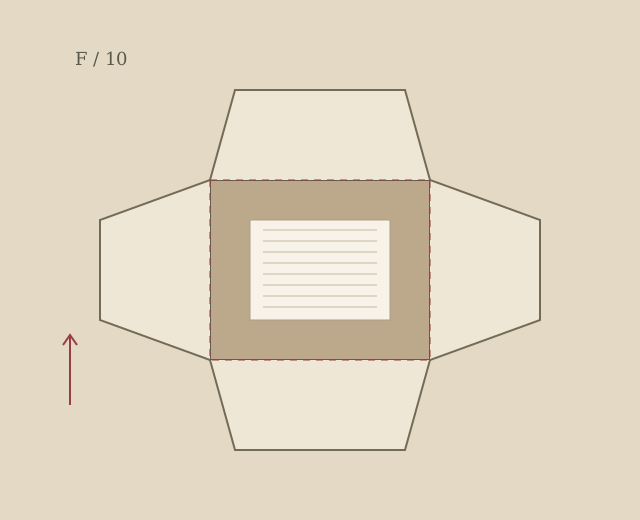
Draw the intended spine, top and opening directions on a shelf reference sketch.
| Reference record | Interpretation |
|---|---|
| B49 | Storage orientation |
| Scope and purpose | Shelf orientation and access direction affect how a stored enclosure is understood and retrieved. Describe both the shelf and the object. |
| Limits and interpretation | A reference layout does not establish shelf loading capacity or environmental suitability. |
Review checklist
Check the identifier; describe the observation and its source; date the revision; link affected figures; distinguish confirmed facts from open questions.