B51 · Reference edition 2026.11
Condition observations — Definition and boundaries
A condition note distinguishes what can be seen from what is suspected. Describe the location and extent without inventing a diagnosis.
Scope and purpose
Start by separating the named concept from adjacent concepts. Use the observation below to identify the question the record is intended to answer. Read the caution before applying the example. A definition is useful only when another reader can tell what falls outside it.
Working notes
This collection describes enclosure forms, access routes and documentation practices for paper-based material. It is intended for reading and planning, not for directing treatment of fragile objects. Fold diagrams and record examples are original illustrations with no associated collection or accession data. Material descriptions distinguish observed features from documented properties. Decisions about a real object, its condition and its environment require the relevant professional judgement.
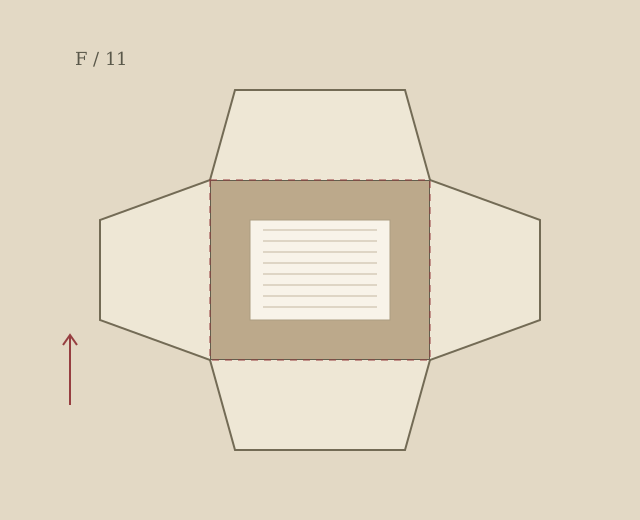
Practical example
Use a simple region map and dated observations before deciding whether specialist review is needed.
| Reference record | Interpretation |
|---|---|
| B51 | Condition observations |
| Scope and purpose | A condition note distinguishes what can be seen from what is suspected. Describe the location and extent without inventing a diagnosis. |
| Limits and interpretation | This library does not prescribe chemical treatments or conservation repairs. |
Review checklist
Write a one-sentence scope statement; identify a neighbouring concept; record what the example does not establish.